
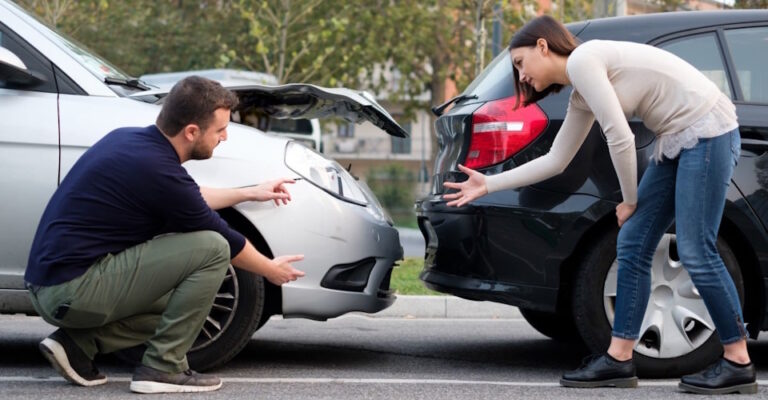
Rear-end collisions account for approximately 30% of all traffic accidents, making impacts from behind an incredibly common driving hazard. The vast majority of these crashes happen when lead vehicles are completely stopped or slowing down in high-traffic, urban, and localized areas.
The Most Likely Locations for Rear Impacts:
- Intersections and Stoplights. Intersections are the primary danger zones for rear-end collisions. When a traffic light turns yellow, drivers face a split-second decision to stop or proceed. This dilemma, combined with distracted driving or tailgating, often causes a trailing vehicle to crash into the rear of a stopping car.
- Highway Off-Ramps and Merging Lanes High-speed areas where traffic must abruptly slow down or merge are hotspots for rear-impact crashes. Drivers exiting highways often experience “speed adaptation issues,” causing them to misjudge the speed of the stopped traffic ahead as they come off the ramp.
- School Zones School zones require sudden, drastic shifts in traffic patterns and speed limits. Because traffic builds up quickly and drivers are frequently distracted by dropping off children or navigating crosswalks, the risk of a rear-end collision increases dramatically.
- Parking Lots While parking lot accidents rarely result in life-threatening injuries, they are highly common. Drivers backing out of spaces are frequently hit from behind by passing vehicles, or they may strike another parked car.
- Congested Commuter Corridors The majority of all car crashes occur within five miles of a driver’s home, primarily on local, familiar, and heavily congested roads. In stop-and-go rush-hour traffic, a moment of inattention or a failure to maintain a proper following distance guarantees a high probability of being hit from behind.
