
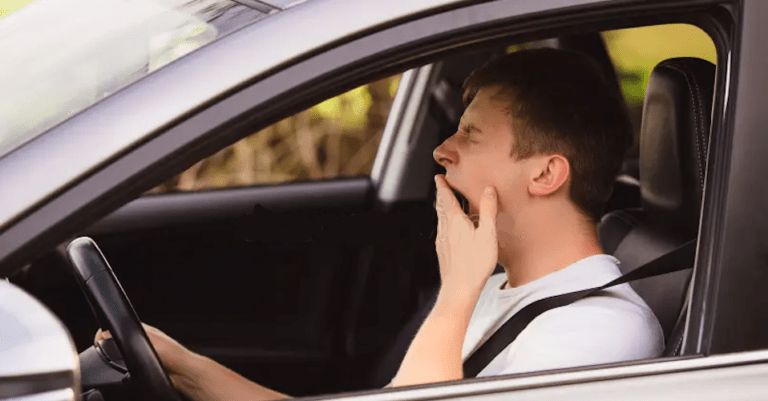
Drowsy driving is a critical yet often overlooked safety hazard, particularly among teenagers. While public awareness campaigns strongly emphasize the dangers of drunk or distracted driving, driving while exhausted receives far less attention. However, research indicates that being awake for 17 hours impairs the body similarly to a blood alcohol content of 0.05%, placing teenagers—who frequently experience chronic sleep deprivation—at severe risk. With over 50% of drowsy driving crashes involving drivers aged 16–24, this issue represents a significant public safety crisis.
The teenage years are marked by a perfect storm of factors leading to fatigue. Biological shifts, early school start times, demanding extracurricular schedules, and intense social lives often restrict teens to less than the required nine hours of sleep, with many getting under seven. This lack of sleep is compounded by inexperience behind the wheel, making teenagers less capable of handling emergency situations caused by reduced reaction times. Furthermore, the pervasive use of technology late at night disrupts circadian rhythms, further reducing the quality of rest.
Drowsy driving, defined as operating a vehicle when too tired to remain alert, leads to fatal consequences. Warning signs include drifting between lanes, constant yawning, or forgetting the last few miles driven. Unlike other driving impairments, fatigue can create a false sense of awareness, where teens believe they can manage the exhaustion. Therefore, education on the dangers of driving without proper sleep is essential.
Preventing this issue requires a multifaceted approach. Parents can help by setting strict bedtimes, monitoring late-night technology use, and enforcing a “no driving if exhausted” policy. Additionally, school districts should consider delaying school start times to align better with adolescent biology. Promoting safe alternatives, such as carpooling, using ride-sharing services, or allowing a brief nap before driving, can save lives. It is crucial to treat drowsy driving with the same severity as drunk driving, ensuring our roads are safe for everyone.
