
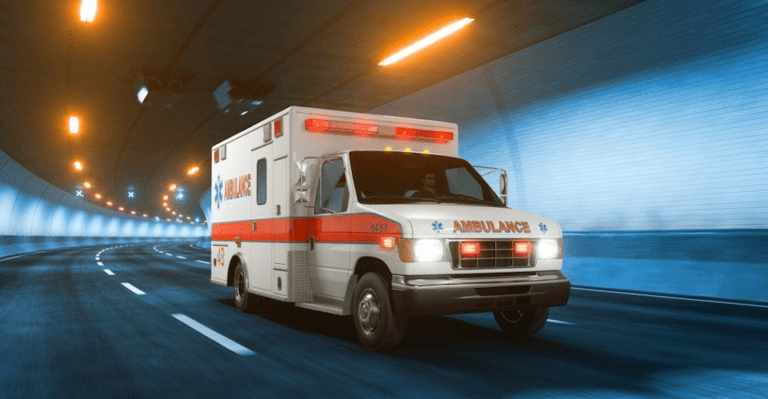
Managing the right-of-way for emergency vehicles is a critical responsibility that requires immediate action, clear communication, and a calm demeanor. When an ambulance, fire truck, or police vehicle approaches with sirens wailing and lights flashing, they are requesting a “clear path” to reach a life-threatening situation. The primary objective for any driver is to facilitate this passage without creating new hazards or obstructing traffic flow.
The universal procedure for encountering an emergency vehicle is the “Move Over” or “Pull to the Right” rule. As soon as you hear a siren or see flashing lights, you should check your mirrors, signal your intent, and move your vehicle to the right-hand edge of the roadway. It is essential to bring your vehicle to a complete stop until the emergency vehicle has safely passed. On a multi-lane highway, this might involve merging into the far-right lane; on a two-lane road, it means pulling as far onto the shoulder as possible. You should never pull to the left or stop in the middle of a lane, as this forces the emergency driver to weave dangerously through traffic.
Intersections present a unique challenge. If you are stopped at a red light and an emergency vehicle approaches from behind, do not pull into the intersection against the light. This puts you at risk of being hit by cross-traffic. Instead, stay put or nudge slightly to the right to create a gap, allowing the emergency vehicle to maneuver around you. Additionally, once the vehicle passes, do not follow it closely. Most jurisdictions require drivers to maintain a following distance of at least 500 feet to give the responders space to work. By reacting predictably and yielding immediately, you contribute to a chain of safety that can save precious seconds for those in need.
🚑 Emergency Response Protocol
- See/Hear, React: Do not wait until the vehicle is on your bumper; move early.
- Signal and Slide: Use your blinker so the emergency driver knows your plan.
- The Intersection Rule: Never enter an intersection against a red light to get out of the way.
- Watch for “The Second One”: Often, multiple emergency vehicles travel together.
