
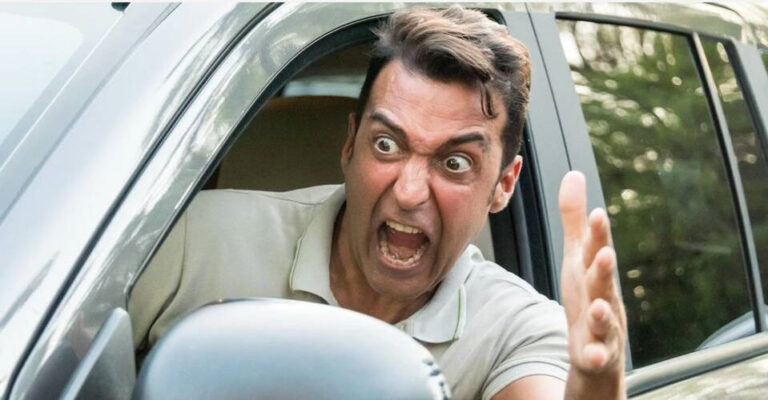
Road rage is a dangerous, escalating phenomenon on modern roadways, often stemming from traffic congestion, stress, or the anonymity of being behind the wheel. When encountered, an aggressive driver can turn a routine commute into a terrifying experience. Dealing with road rage requires immediate disengagement, maintaining composure, and prioritizing safety over being right. The goal is to de-escalate, not to win a conflict.
The first step in managing a road rage situation is to avoid responding in kind. If another driver is shouting, tailgating, or using rude gestures, it is crucial to remain calm and avoid making eye contact. Retaliating with gestures, yelling, or breaking-checking only feeds the aggressor’s fury and increases the risk of a violent confrontation or accident. Instead, safely create distance. Slow down, change lanes, or allow the aggressive driver to pass.
If you believe the driver is targeting you, do not engage. Stay inside your vehicle with the doors locked and windows up. If the situation escalates to a point where you feel threatened, do not pull over to the side of the road, as this makes you vulnerable to a direct confrontation. If you are being followed, drive directly to a police station, fire station, a hospital emergency room, or a busy, well-lit public place, such as a crowded shopping center. Never drive home, as you do not want an angry stranger knowing your address.
While in a safe, public area, or while driving to one, call 911 to report the incident. Provide police with a description of the vehicle, the license plate number, and the direction of travel. If you have a passenger, ask them to take photos or video to document the dangerous behavior. Above all, do not get out of your vehicle, as your car serves as your safest protection. Ultimately, staying calm and letting go of the need to respond is the most effective way to ensure you arrive safely.
Dealing with road rage requires a combination of emotional discipline and tactical safety measures. Because driving is a high-stakes environment where anonymity often strips away social filters, aggressive encounters can escalate with terrifying speed. To navigate these situations safely, one must prioritize de-escalation over the desire to be right or to retaliate.
The most effective internal strategy is to maintain a “calm cabin” environment. When another driver cuts you off or gestures rudely, the natural human response is a surge of adrenaline and anger. However, responding in kind—by honking excessively, tailgating, or returning gestures—only validates the other driver’s aggression and increases the risk of a collision. Instead, take a deep breath and assume the other person is having a personal crisis rather than targeting you. Practicing empathy, even if it feels underserved, prevents your own emotions from reaching a boiling point.
From a tactical perspective, the safest move is to create physical distance. If a driver is tailgating you, signal and move to the adjacent lane as soon as it is safe to do so. Avoid eye contact, as staring can be perceived as a challenge. If an aggressive driver begins to follow you, do not drive to your home or workplace. This reveals your personal location and can lead to a confrontation on private property. Instead, drive toward a well-lit, public area such as a police station, fire department, a hospital emergency room or a busy, well-lit public place, such as a crowded shopping center.
If the situation becomes threatening, keep your windows rolled up and your doors locked. Use your cell phone to call emergency services, providing your location and a description of the vehicle. Ultimately, the goal of any road rage encounter is to arrive at your destination safely. Winning an argument on the road is never worth the cost of a physical altercation or a high-speed accident.
