
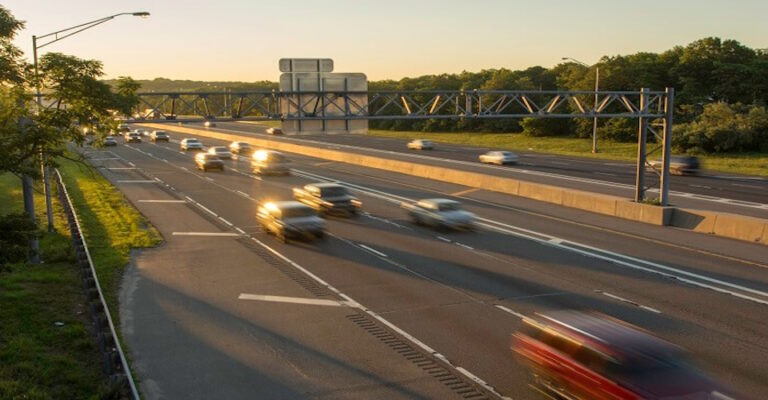
Driving at a speed close to the flow of surrounding traffic is one of the most critical principles of safe driving, often outweighing the strict adherence to the posted speed limit in terms of immediate safety. The “flow of traffic” refers to the average speed at which the majority of vehicles are traveling. Matching this speed is essential for maintaining predictability, reducing potential conflicts, and fostering a harmonious road environment.
The primary importance of driving with the flow lies in accident prevention. When a vehicle drives significantly slower or faster than others, it creates a speed differential, which is a major cause of collisions. A vehicle going too slow acts as an unexpected obstacle, forcing faster-moving vehicles behind it to brake sharply or make sudden, evasive lane changes. Research has shown that drivers traveling 10 mph slower than the prevailing speed are up to six times more likely to be involved in an accident. By moving with the crowd, a driver ensures that their movements are predictable, allowing others to gauge distances and closing speeds effectively.
Furthermore, matching the traffic speed improves efficiency and reduces driver stress. In scenarios like merging onto a busy highway, trying to merge at a lower speed than the existing traffic is dangerous, as it disrupts the flow and forces others to react defensively. Instead, matching the traffic speed makes merging a fluid, low-risk process. Even if the flow is slightly above the speed limit, following the crowd can often be safer than forcing a lower speed, which can cause traffic bottlenecks and fuel road rage.
In conclusion, while speed limits are established for safety, they are meant for ideal conditions. The safest speed in actual, real-time traffic is the one that matches the flow of the cars around you. This consistency creates a safe, predictable, and orderly environment, reducing the risk of accidents caused by sudden disruptions and facilitating smoother, less stressful commutes for everyone.